


Getting started with survival gear can feel overwhelming. One search online brings up thousands of gadgets, tactical tools, and expensive kits. The truth is simple: most beginners do not need extreme equipment. They need reliable basics that work in real emergencies.
In 2026, the focus has shifted toward practical preparedness. More people now prepare for power outages, storms, travel delays, and short-term emergencies instead of unrealistic “end of the world” scenarios. Experts and outdoor communities continue to recommend compact, multi-use gear that is easy to carry and simple to use.
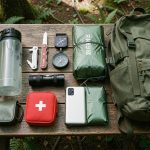
If you are building your first kit, this guide covers the best survival gear for beginners and explains what is actually worth buying.
Why Beginners Often Buy the Wrong Survival Gear
Many first-time buyers spend too much money on flashy tools they never use. Reddit survival communities regularly point out that simple camping gear and basic emergency supplies matter more than “movie-style” tactical setups.
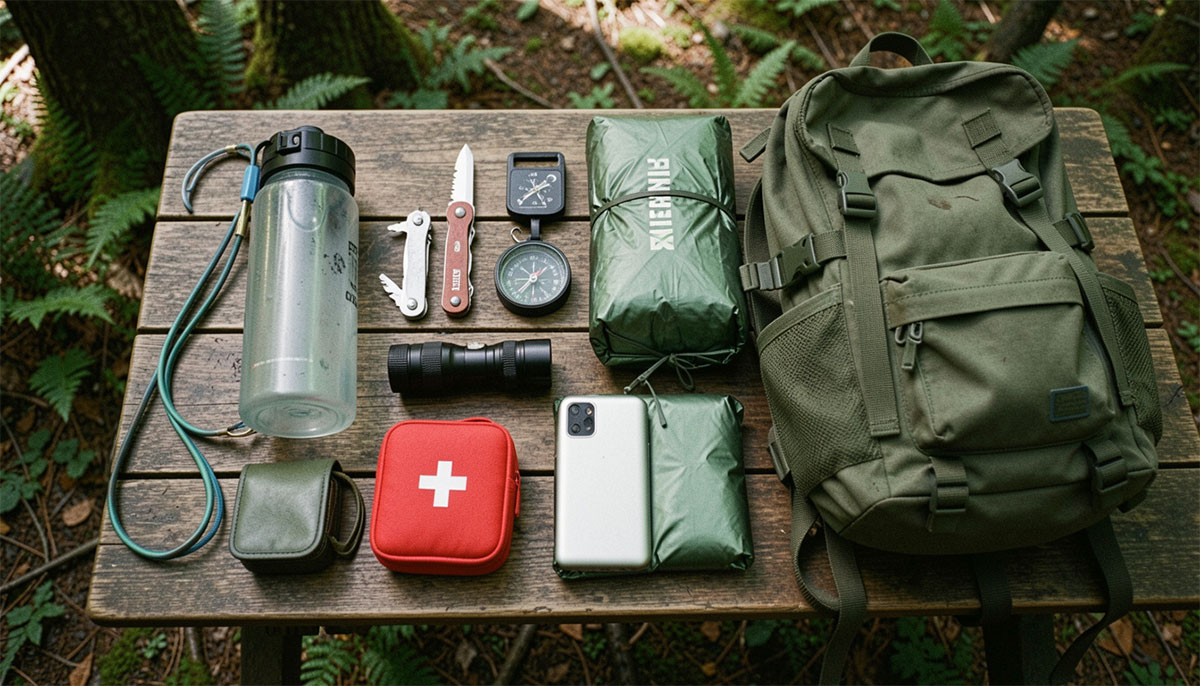
The best survival gear should help you handle these basic needs:
- Clean water
- Shelter and warmth
- Fire and lighting
- First aid
- Food and cooking
- Navigation and communication
If your gear covers those areas, you already have a strong foundation.
1. Water Filtration Is Your Top Priority
Humans can survive weeks without food, but only a few days without water. That is why water filtration should be the first item in any survival gear for beginners list.
Portable water filters are lightweight, affordable, and easy to use. Many beginners now choose compact squeeze filters or purifier bottles because they fit easily into backpacks and emergency kits.
Popular beginner-friendly options include:
Outdoor communities also recommend carrying backup purification tablets in case your main filter fails.
What to look for:
- Lightweight design
- Easy cleaning
- Long filter life
- Ability to remove bacteria and parasites
Do not rely only on bottled water. A filter gives you long-term flexibility.
2. A Reliable Multi-Tool Saves Space
One good multi-tool can replace several separate tools. This is why it remains one of the best survival gear investments for beginners.
A quality multi-tool usually includes:
- Knife blade
- Pliers
- Screwdrivers
- Scissors
- Saw
- Bottle opener
Many survival experts recommend avoiding very cheap tools because weak steel often breaks under pressure.
For beginners, trusted brands like Leatherman and Gerber are solid choices.
A multi-tool helps with:
- Gear repair
- Food prep
- Shelter setup
- Cutting rope or cordage
- Emergency fixes
It also keeps your survival kit lighter and more organized.
3. Emergency Shelter Matters More Than Most Beginners Think
Bad weather becomes dangerous fast. Wind, rain, and cold temperatures can create serious problems even during short outdoor trips.
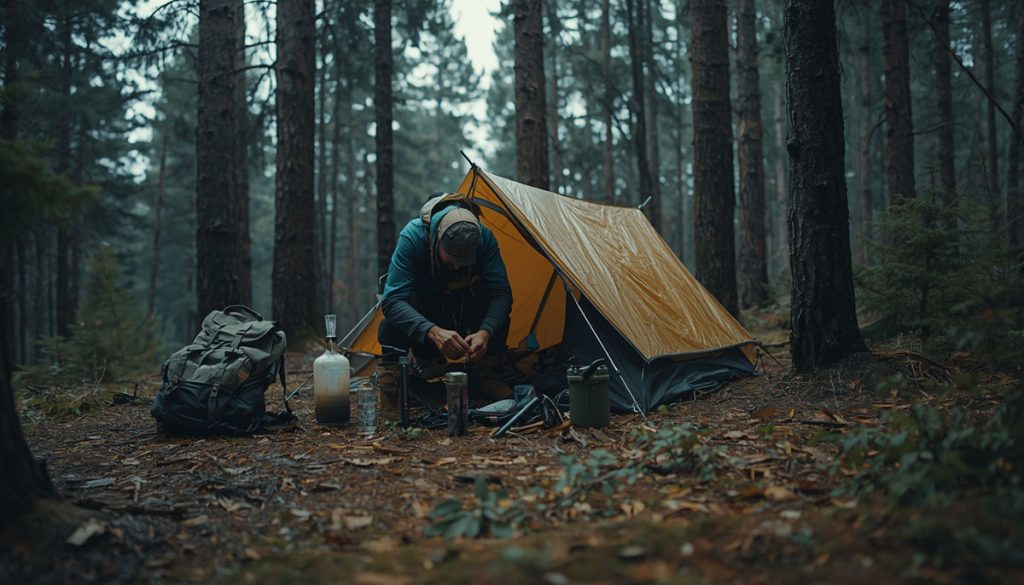
You do not need a giant camping setup. A simple emergency shelter is enough for most beginner kits.
Good starter options include:
- Emergency bivvy bags
- Compact tarps
- Space blankets
- Lightweight tents
Reddit users often recommend tarps because they are cheap, versatile, and easy to pack.
In 2026, lightweight and compact gear continues to dominate the outdoor market because people want equipment that is practical and easy to carry.
4. Fire Starters Should Be Simple and Reliable
Fire provides:
- Warmth
- Light
- Cooking ability
- Water purification
- Emergency signaling
Every beginner survival kit should include at least two ways to start a fire.
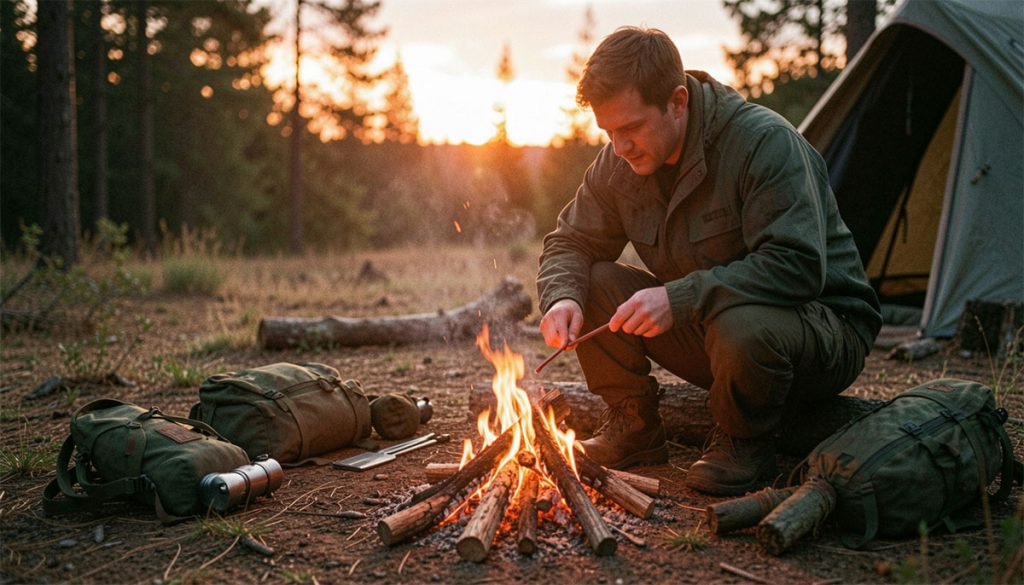
Reliable options include:
- Butane lighters
- Waterproof matches
- Ferro rods
- Rechargeable plasma lighters
Many survival experts recommend keeping redundancy. If one method fails, you still have a backup.
A basic lighter is often more useful for beginners than advanced bushcraft fire methods. Practice matters more than expensive gear.
5. Headlamps Beat Flashlights for Most Situations
Lighting is one of the most overlooked survival essentials. A good headlamp keeps both hands free while walking, cooking, or setting up shelter.
Modern LED headlamps are:
- Lightweight
- Bright
- Energy efficient
- Affordable
Rechargeable USB models are especially popular in 2026 because people now prefer compact power solutions and solar charging options.
Always carry spare batteries or a power bank.
6. First Aid Kits Are Non-Negotiable
Even small injuries become serious when ignored outdoors or during emergencies.
A beginner first aid kit should include:
- Bandages
- Antiseptic wipes
- Gauze
- Medical tape
- Pain relievers
- Blister treatment
- Tweezers
- Gloves
Many experienced preppers say medical supplies should come before expensive tactical gear.
You do not need advanced medical equipment at first. Learn basic first aid skills and keep your kit organized.
7. Portable Power Is Becoming Essential in 2026
One of the biggest survival trends in 2026 is energy independence. Portable power banks and small solar chargers have become common emergency tools.
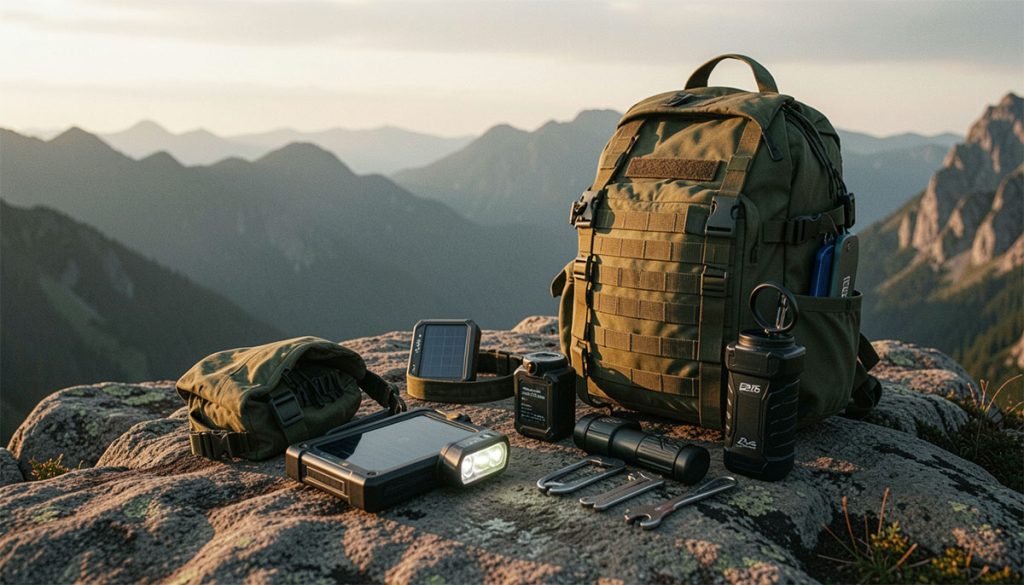
A compact power bank can keep these devices running:
- Phones
- GPS units
- Radios
- Headlamps
Solar-powered charging systems are also growing in popularity because they work quietly and do not require fuel.
For beginners, a small waterproof power bank is usually enough.
8. Food Supplies Should Be Simple
You do not need a basement full of supplies to get started.
Good beginner survival foods include:
- Energy bars
- Freeze-dried meals
- Peanut butter
- Rice
- Instant oatmeal
- Electrolyte packets
Choose foods with:
- Long shelf life
- Easy preparation
- High calories
Rotate supplies regularly so nothing expires.
Phones fail. Batteries die. Signals disappear.
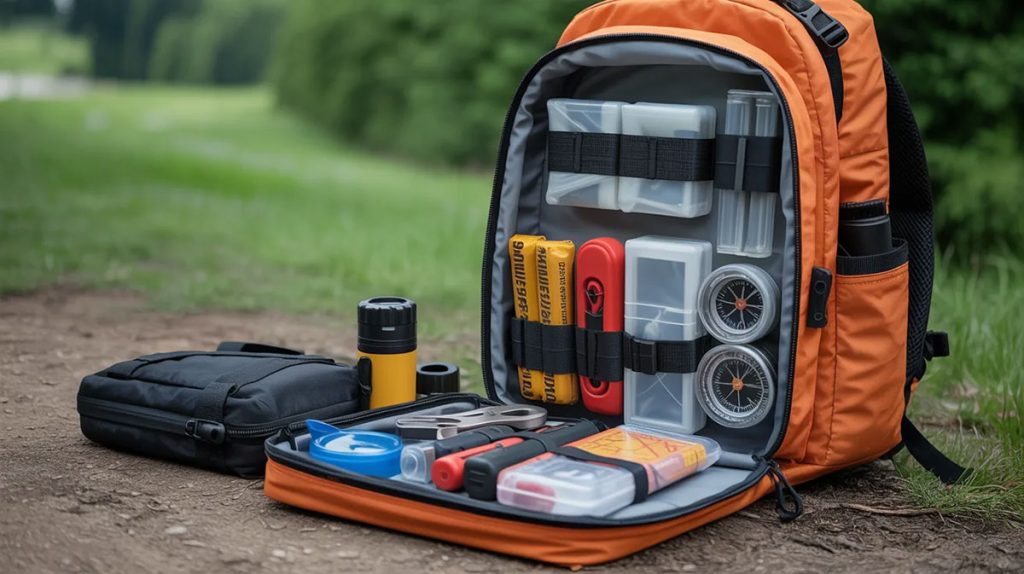
Every survival kit should include:
- Paper map
- Compass
- Offline GPS backup if possible
Many outdoor beginners rely too heavily on smartphones. Traditional navigation tools still matter.
You do not need advanced land navigation skills at first, but learning the basics is valuable.
Skills Matter More Than Expensive Gear
One of the most common survival lessons shared online is simple: gear alone will not save you.
The best survival gear becomes useful only when you know how to use it.
Practice these basic skills:
- Starting fires
- Filtering water
- Basic first aid
- Shelter setup
- Map reading
Even budget gear performs better when paired with experience.
Final Thoughts
The best survival gear for beginners in 2026 is practical, lightweight, and easy to use. Focus on real-world emergencies instead of extreme survival fantasies.
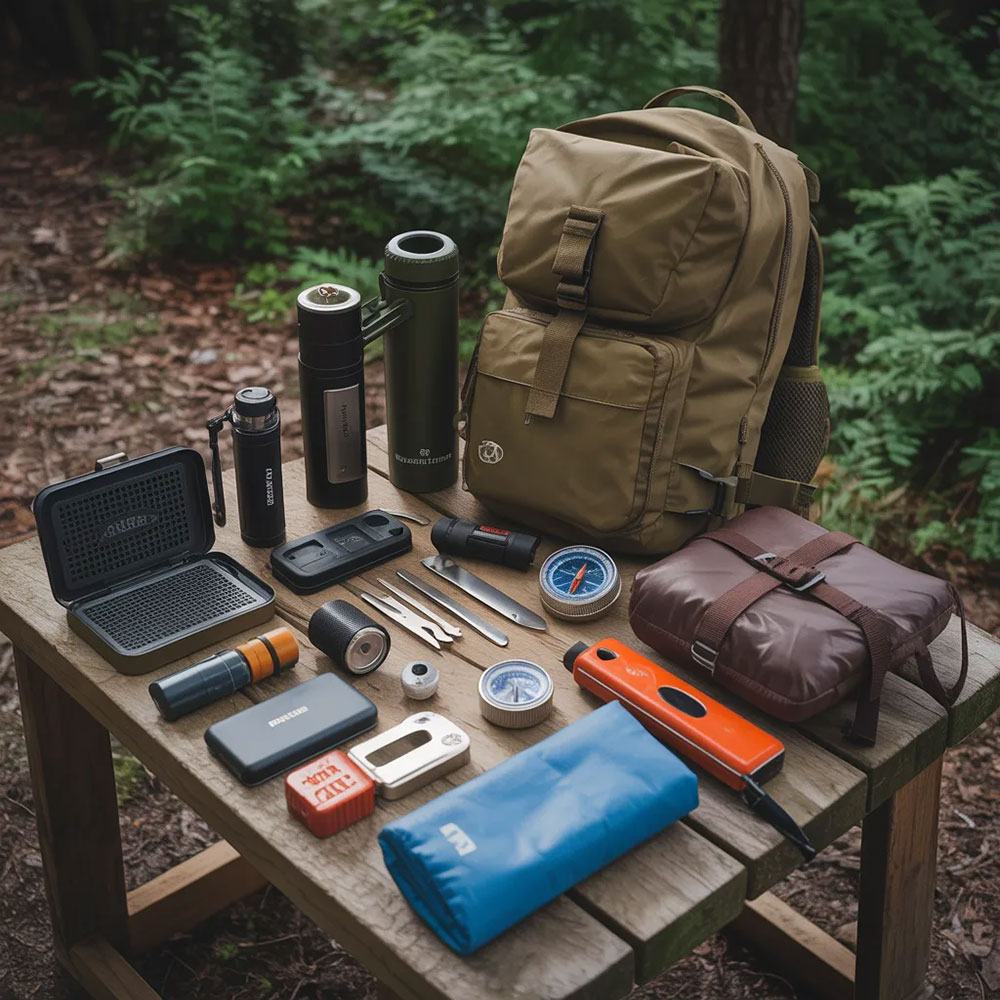
Start with the essentials:
- Water filtration
- Shelter
- Fire starters
- Lighting
- First aid
- Food
- Multi-tools
Build your kit slowly and upgrade over time. You do not need everything at once.
Most importantly, choose gear you will actually carry, practice with, and trust when things go wrong.